Tournaments
MTT Poker Strategy: Early, Mid & Late Stage Guide
MTT is a multi-table format of tournament poker. Like any other variety of poker, it has its own specifics that you need to know to play successfully.
Val Podolyak ·

To turn theory into the skill of winning — come learn at FunFarm.
MTT is a multi-table format of tournament poker. Like any other variety of poker, it has its own specifics that you need to know to play successfully.

Almost every player goes through the same path. At first we see the bluff as a standalone move: we bet — the opponent folds, so it worked. Then the long run starts to reveal the other side: the very same lines work in some sessions and systematically burn chips in others, and we get the feeling that bluffing depends on circumstances more than on the quality of the decision.
Almost every player who starts studying poker systematically sooner or later runs into the term GTO — Game Theory Optimal, the optimal strategy from a game-theory standpoint.
In poker, we almost never make decisions against a specific hand. We play against a range — the set of combos the opponent could have arrived at the current point of the hand with. And the higher the price of the decision, the more important it is to understand how many strong hands the opponent can realistically have.
No-limit Texas Hold'em became the industry leader in the 1960s. Before that, another type of poker dominated Las Vegas casinos — seven-card stud. NL Hold'em overtook its competitor thanks to the simplicity of its rules. Hold'em is much easier to master than stud. However, NL Hold'em rules do have their own nuances. Let's discuss what a kicker is and see how it works.
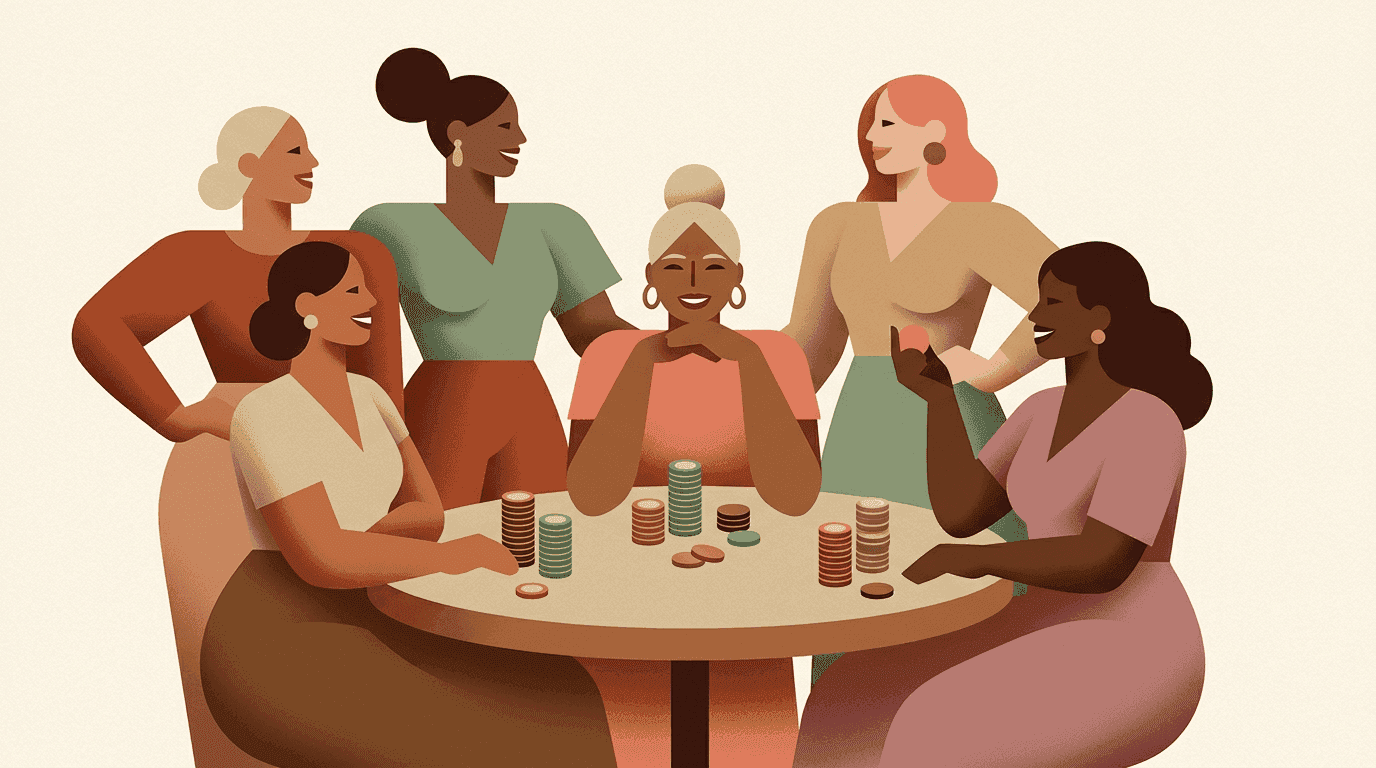
Since its invention, poker had been considered an exclusively male game. The situation changed at the start of the new millennium. The internet made the card game accessible. Popular television shows such as Poker After Dark also made a big contribution to promoting poker. Gradually, women began not just to take part in major tournaments, but to win them. Let's discuss the most successful female poker players of today.

Almost every player has a moment when poker stops feeling like a set of rules and starts being perceived as a profession. We begin to play with discipline, get to grips with the logic of betting, optimal playing strategies, and expect that the quality of our decisions will fairly quickly turn into a clear financial result.
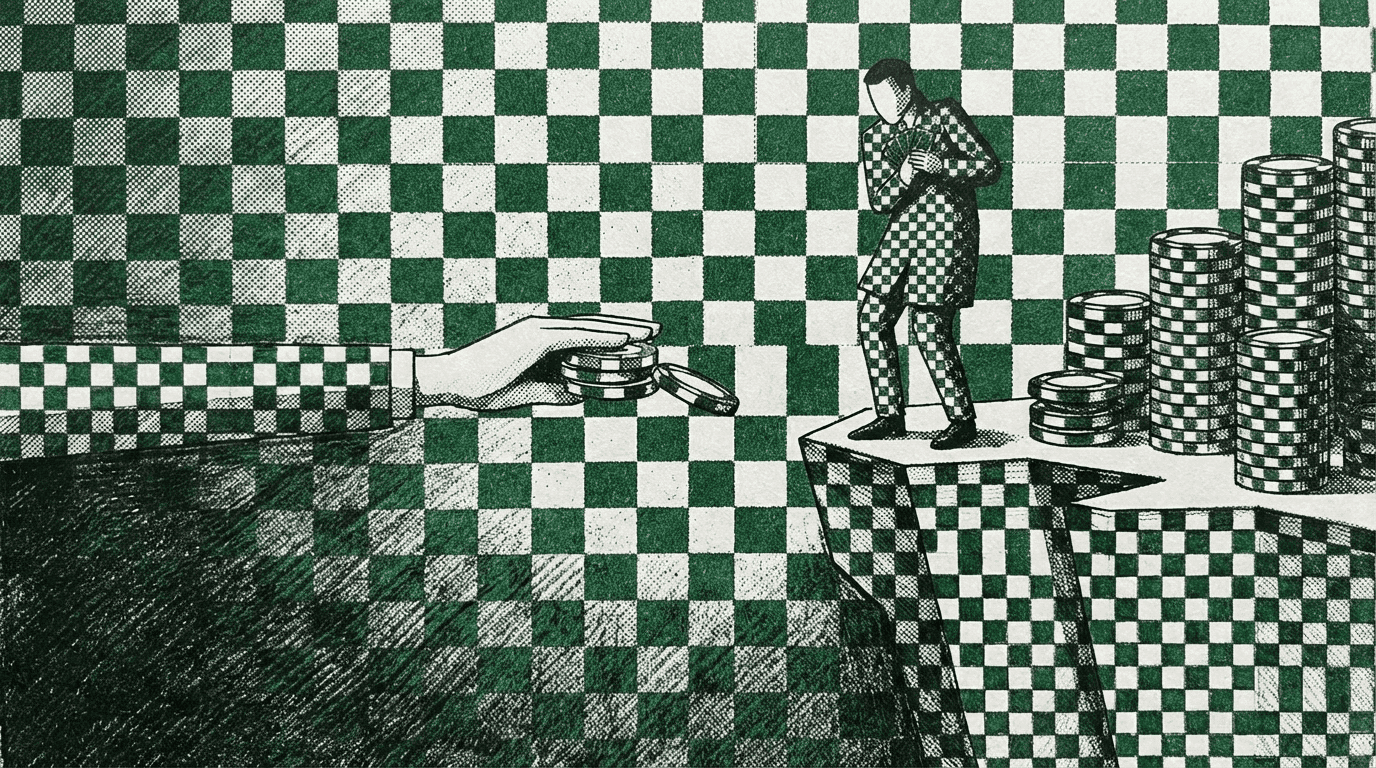
In poker, we constantly find ourselves in situations where we don't have a made hand. We missed the flop, didn't improve on the turn, but the pot is already big enough — we want to take it down. It's exactly in these moments that the main question arises — do we have a way to win without going to showdown?

In poker, we often think that results come down to strategy, discipline, and hand analysis. That's true, but there's another important aspect — physical comfort.

No-Limit Texas Hold'em is the most popular card game in the world. NL Hold'em owes its leading position to its simple rules. However, other poker variants are worth your attention too. Let's talk about Omaha Hi-Lo.

Bluffing is one of the most romanticized topics in poker. In movies it looks like a "special state of mind" — the player simply senses that their opponent is about to give up, and bets big. In a real game it works differently.
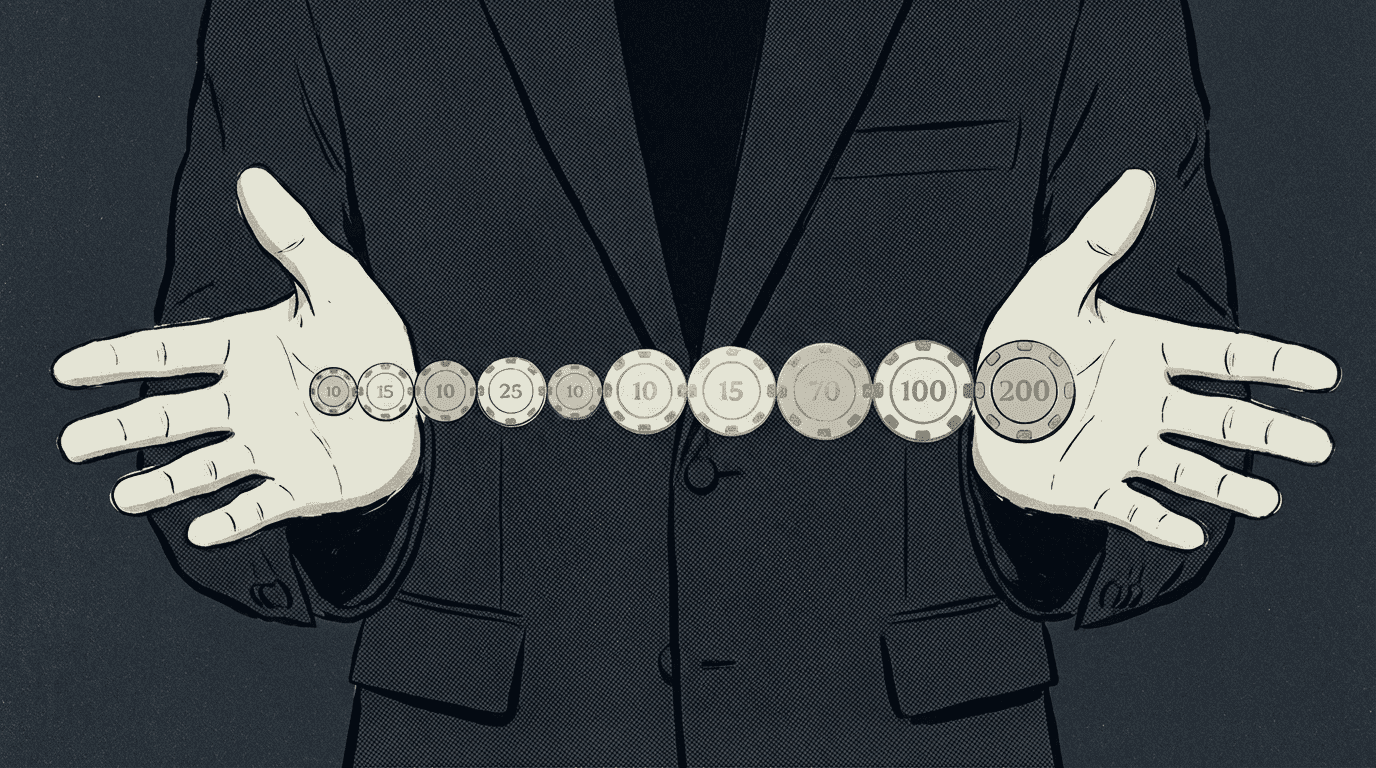
In poker, in the early stages it's easy to get stuck in the illusion that what matters most is the cards in your hand. We're dealt a strong combination — we win; we're dealt a weak one — we fold. And when we're just starting out, that's exactly how it feels: as if the result depends more on luck than on us.
No-Limit Texas Hold'em is the leading card game of the past few decades. The industry's biggest live tournaments are played under NL Holdem rules. Hold'em also dominates the lobbies of online rooms. However, other poker variants deserve attention too. Let's discuss the rules of Pot-Limit Omaha. We'll look at the platforms where you can play it.

Poker is an umbrella term for several card games: Texas Hold'em, Omaha, draw poker, stud. Each poker variation also has its own internal hierarchy. Players are offered a choice of several disciplines: cash, tournaments, and Spin & Go. In the past, Sit & Go stood alongside them. Let's discuss Sit n Go tournaments in more detail.

Backing is one of the most common formats of collaboration in professional poker. It allows players to move up to higher stakes without risking their own bankroll, and investors to earn a steady return.
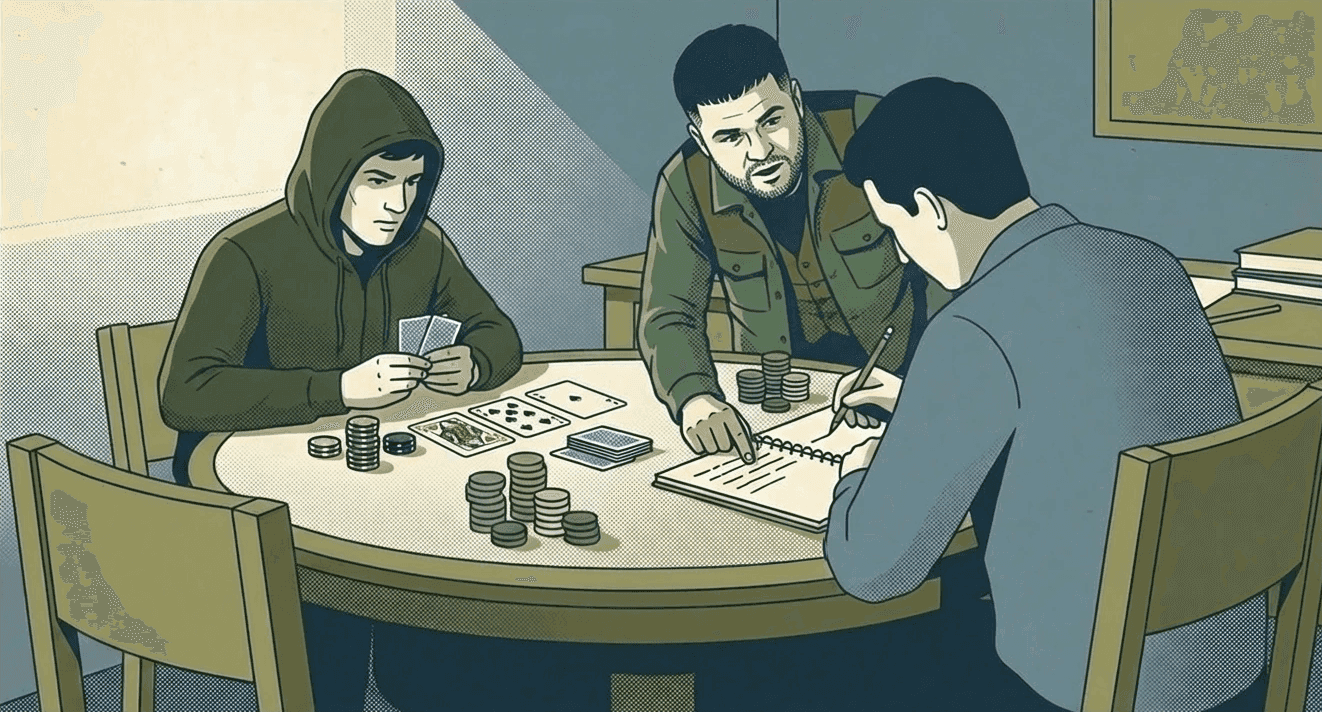
Every poker player focused on long-term profit inevitably arrives at the need for systematic training. Without developing skills and understanding strategy, a stable improvement in the quality of play over the long run is impossible.